



We’ve hit “send” on more than sixty Sinification newsletters in 2025 and to mark the end of the year, we’d like to revisit some of our favourites.
Sinification has grown tremendously this year and there’s much more to come. We look forward to bringing you many more fascinating translations, exclusive interviews, valuable monthly digests and essential hot-topic briefings in 2026.
We hope you’ve had a wonderful year and that you’ve enjoyed exploring these ideas as much as we’ve enjoyed curating and translating them.
— Jacob Mardell

In February, Sinification republished a censored interview with the prominent historian Xu Jilin (许纪霖).
In a country that relentlessly promotes “positive energy” and patriotic fervour, Xu’s depiction of the “post-90s” (90后) and “post-00s” (00后) generations as politically apathetic Epicureans is appealingly discordant. Shadowed by insecurity and ennui, Xu’s youth care more about individual rights, self-centred interests and emotional needs than they do about China, politics or any of their country’s “grand narratives”.
Xu: “What we are witnessing today is the beginning of a new cycle, the onset of a new era of disorder [乱世的来临]. This kind of phenomenon tends to be observed in such periods of turmoil; it is practically a historical law [一个规律]. However, this new cycle is just beginning, and I do not expect it to be short. We had an era of revolutionary zeal [热血沸腾的革命年代] before, and though it is probably not gone forever [不能说一去不复返], it is unlikely to return any time soon.”
Read more here.

In March, Thomas interviewed Mao Keji (毛克疾), an up-and-coming India specialist at China’s influential National Development and Reform Commission (NDRC).
Mao’s takes, including his comparison between the Trump administration and the Cultural Revolution, are highly engaging and the interview offers a fascinating insight into the worldview of a young, establishment-adjacent but unusually expressive analyst.
Mao: “From a dialectical perspective, the most beneficial thing Trump did for China during his first term was launching the trade and tech war. This was a wake-up call that made China realise the urgency of developing independent and controllable technological pathways [技术路线] and accelerating its transition towards smart technologies [智能化].”
Read more here.
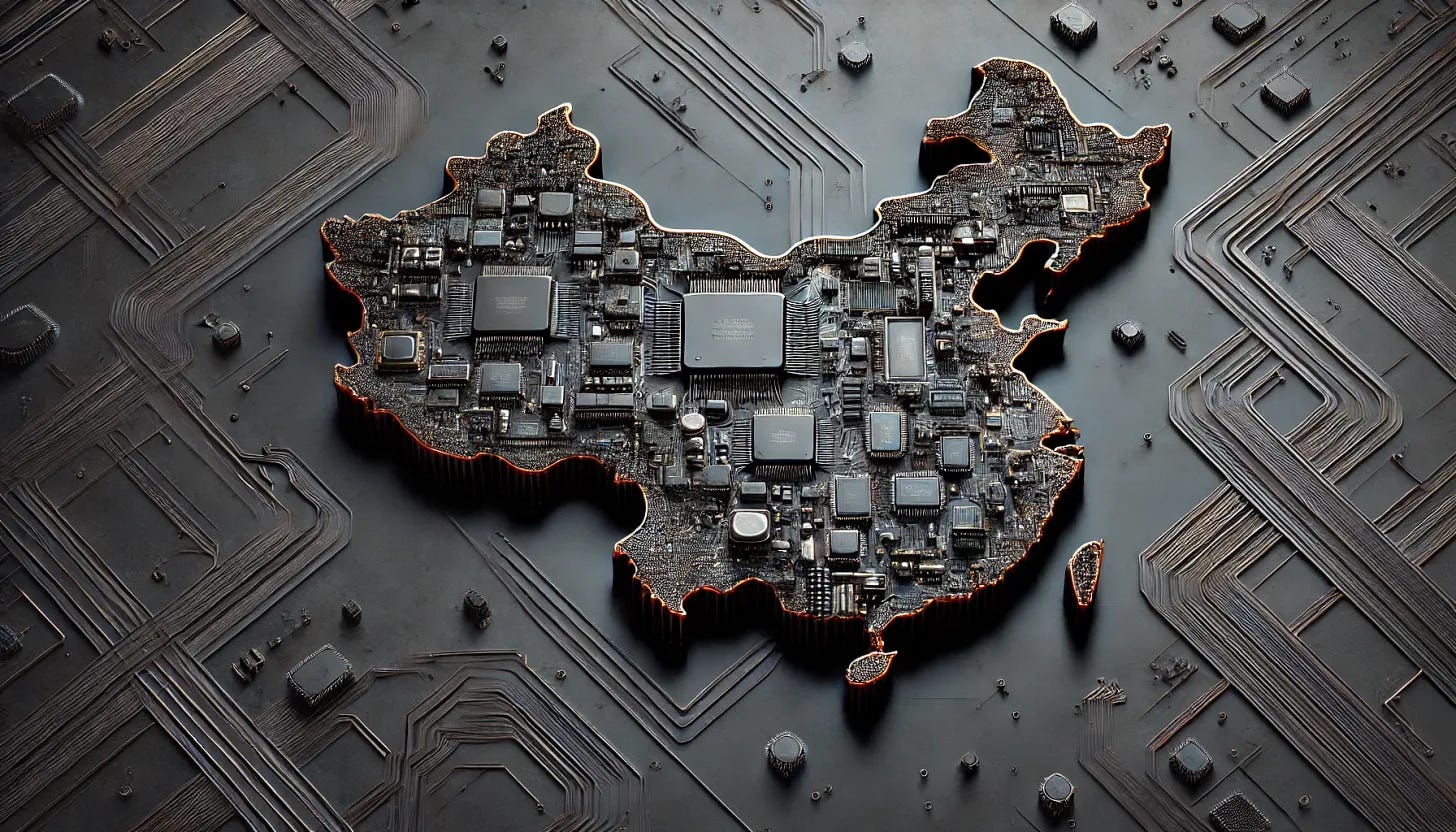
Also in March, Sinification had the honour of publishing a piece introduced by the wonderful Kyle Chan, who writes the newsletter High Capacity.
The essay, by He Pengyu (何鹏宇), argues that the “chip war” story isn’t just about cutting-edge nodes. Kyle’s introduction, worth reading in its own right, also generalises the lesson that latecomers can sometimes “overtake on the curve” in an evolving industry.
He: “Since the U.S. has imposed a "chokehold" on advanced chips, China could likewise apply a “chokehold” on traditional chips as a strategic countermeasure [中国也可以对等在传统芯片“卡脖子”,形成战略反制]. China can also continue to develop and strengthen its domestic [chip] supply chain [做大本土产业链], keeping traditional chips as its foundation.”
Read more here.

In April, Sinification translated a piece by Shanghai International Studies University scholar Cheng Yawen (程亚文), arguing that, on the topic of Russia’s invasion of Ukraine, China can’t afford “values-first” posturing. Survival and great-power balance have to come before moral grandstanding.
The piece is an unusually insightful window into the strategic pressures that influence Beijing’s support for Russia, which Cheng frames as dictated by a hard-nosed strain of PRC realism. The essay is also rich in historical analogy.
Cheng: “Between interests and morality, a nation must first consider its interests, because, for a nation, survival is paramount. Individuals may “sacrifice their lives for righteousness” [杀身取义,舍身成仁 , a quote from Confucius’s Analects], but a nation cannot afford to do so. A nation that cannot even guarantee its own survival has no place to bluster about morality [奢谈道义是没有意义].”
Read more here.
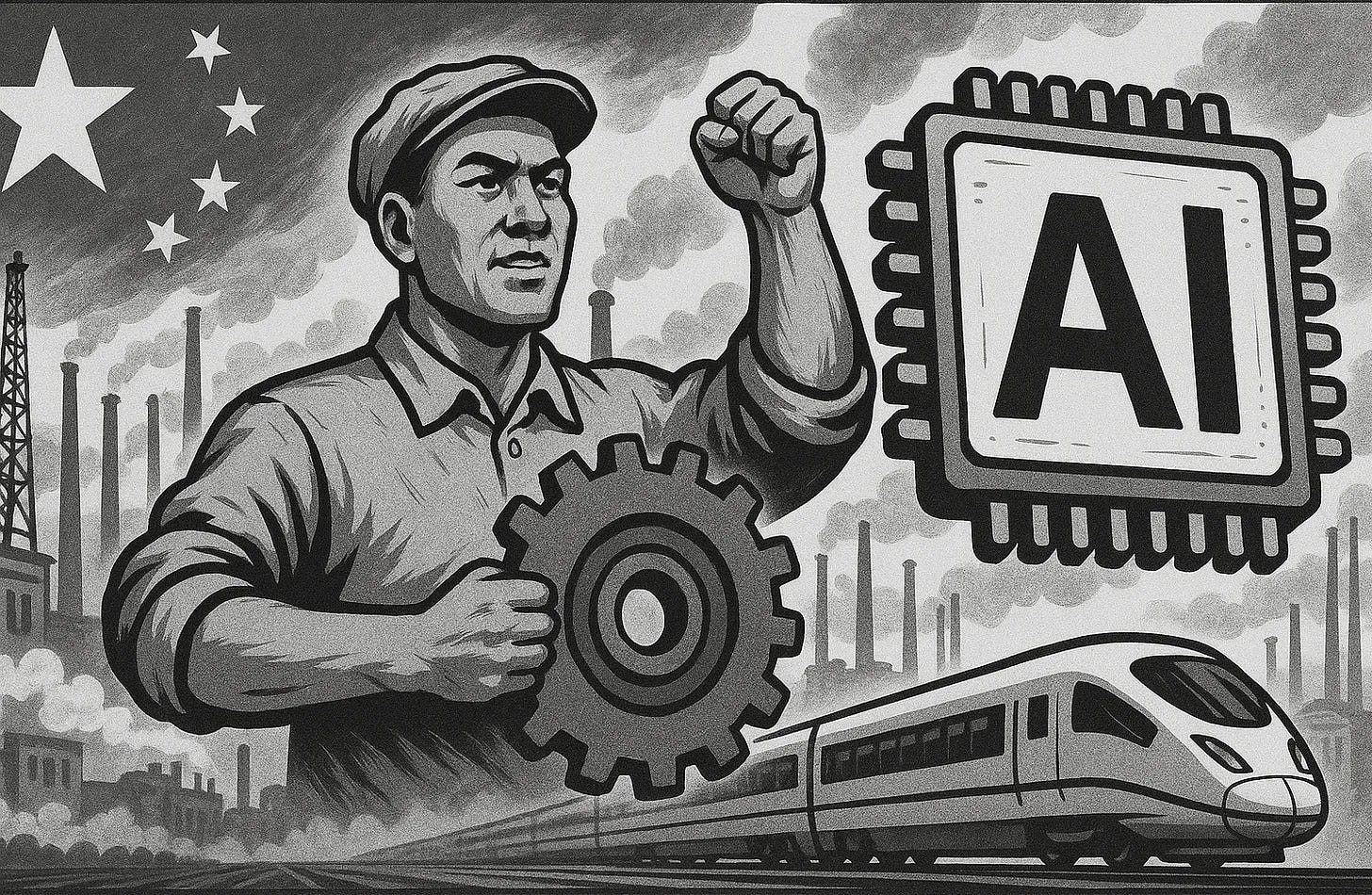
Finally, we bring you another strong tech piece introduced by Kyle Chan. Published in June, this newsletter translates an interview with the renowned professor Lu Feng (路风).
Rejecting narratives of industrial “overcapacity”, Lu argues that what China needs is more industrial development, not less. For Lu, a broad industrial base is both a source of national strength and a driver of technological innovation—an argument that seems to explain and flesh out Beijing’s policy instincts.
Lu: “As long as China stays committed to the path of industrialisation, insists on “broad-based” [基础广泛] industrial upgrading, and maintains a socialist system that guarantees financial support for the real economy, Trump will find himself trapped in an irresolvable paradox [无解的‘悖论’].”
Read more here.
READ MORE